March 20, 2026

 Written by Hasan Munir
Is the most critical safety feature in your home completely invisible, running silently behind your walls?
This hidden network forms the essential nervous system for any modern building. It delivers power to every light, appliance, and device. Choosing the right components is a fundamental step for safety and performance.
A solid grasp of these basics prevents dangerous fire hazards and expensive project mistakes. This knowledge is vital for do-it-yourself enthusiasts and professional contractors. Following established standards, like the UK’s BS 7671 guidelines, is key for safe and compliant installations.
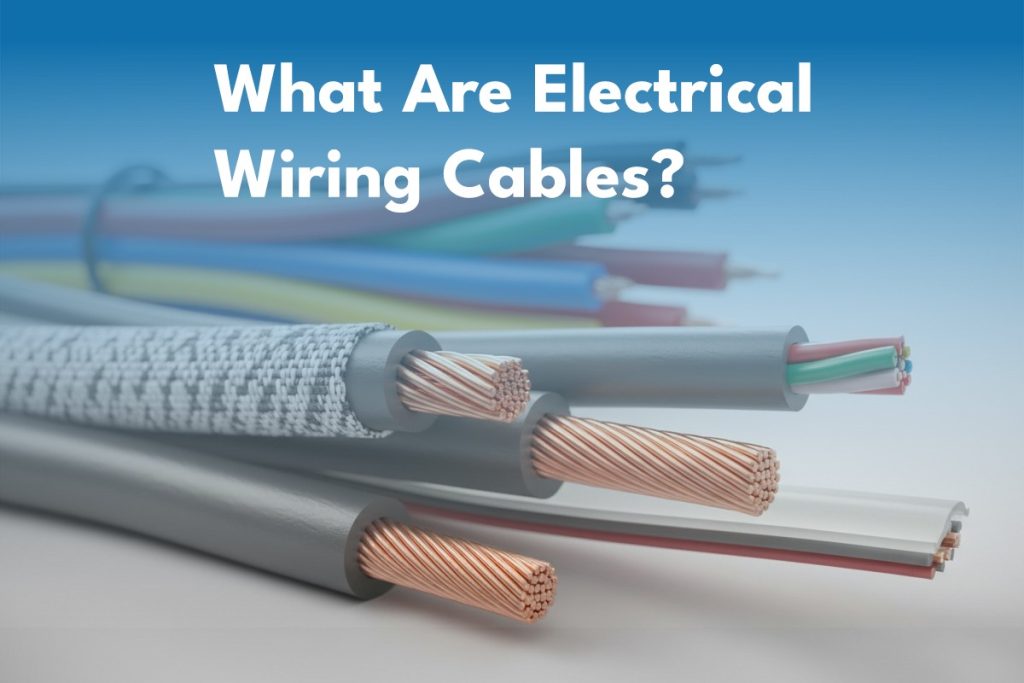
Every line consists of a conductor, insulation, and a protective outer sheath. Each part has a specific job. Together, they safely contain and direct the flow of current.
Mastering these core concepts ensures any electrical work meets rigorous modern safety codes. It protects people, property, and ensures reliable system operation for years to come.
Power flows through a property via a carefully planned labyrinth of conductive pathways. This hidden grid delivers energy to lights, appliances, and climate control in our homes and offices.
This network acts as the essential nervous system for any building. Its reliable operation is non-negotiable for daily safety and function.
A failure in this core system can halt all activity. Proper installation ensures everything from a simple lamp to a complex heating unit works as intended.
Newcomers must start by learning about the different types of components available. This knowledge is the bedrock of a safe and functional electrical system.
Understanding basic wire and cable principles helps prevent common hazards. Short-circuiting and overloads are frequent issues in residential projects.
Recognizing the distinction between various conductors and their insulation is the crucial first step. It leads to successful, compliant work with all types of wires and cables.
Multiple insulated conductors grouped together form the backbone of modern power transmission. This assembly is called a cable.
An electrical cable is defined as two or more insulated conductors bundled inside a protective sheath. This design is distinct from a single, bare wire.
The insulation around each conductor is crucial. It prevents dangerous contact with other metals or people.
Common conductor materials are copper and aluminum. Copper offers excellent conductivity for efficient current flow.
The physical structure of a cable determines its flexibility and long-term durability. Exploring different types helps in selecting the right one for the job.
| Conductor Material | Conductivity | Flexibility | Relative Cost | Common Application |
|---|---|---|---|---|
| Copper | Excellent | High | Higher | Household wiring, electronics |
| Aluminum | Good | Lower | Lower | Power transmission lines, large feeders |
Understanding these components clarifies how a specific wire functions within a complex circuit network. It is the foundation for safe and effective installations.
Understanding cable benefits helps match the correct product to its intended application. Each cable type offers unique advantages for safety and performance.
This knowledge is crucial for planning any project, from a home renovation to a factory build.
Homes typically use non-metallic sheathed cables. This cable used behind walls is safe and easy to install.
Proper insulation handles standard voltage levels without risk. Selecting the right type cable prevents overheating in everyday applications.
Industrial projects need tougher solutions like armored wires. These cables withstand physical damage and harsh conditions.
They support heavy-duty machinery and complex systems. Choosing from different types guarantees stable operation.
It also meets the high demands of commercial wiring.
Every reliable power delivery system relies on a few core physical parts working in harmony. These elements define the safety and longevity of the entire installation.
Understanding these components helps anyone select the right cable for the job. It also explains why certain types are commonly used in specific situations.
The conductor is the central pathway for electricity. Copper is the most widely chosen material due to its high efficiency and flexibility.
It offers excellent conductivity, making it ideal for most electrical wires in homes. Aluminum is another option, lighter and more cost-effective for large-scale projects.
Other materials are often used for specialized wire cable applications. The choice directly impacts the cable’s performance and cost.
Insulation wraps each conductor like a protective glove. This layer prevents current from escaping and causing shocks or short circuits.
The outer sheathing provides a final shield against physical damage. It guards against moisture, abrasion, and sunlight exposure.
Together, these layers ensure the internal wires remain safe and functional for years. High-quality electrical cables depend on this integrity for reliable protection.
Matching the correct cable to its intended job is a critical decision. It impacts both safety and long-term performance. One must evaluate the specific demands of the installation environment and the equipment being powered.
The voltage rating is paramount. Insulation must withstand the electrical load without breaking down. Using a component with too low a rating risks failure.
Environmental exposure dictates the material needed for the outer sheath. Chemicals, heat, or moisture demand specialized protection. For instance, direct burial lines need robust, water-resistant jacketing.
Safety is the primary concern for outdoor or buried cables. Moisture resistance prevents dangerous shorts. Conductor size must match power needs to avoid overheating. This prevents potential fire hazards.
| Selection Factor | Key Consideration | Typical Specification |
|---|---|---|
| Voltage Rating | Maximum system voltage | 300V, 600V, 1kV |
| Conductor Size | Current capacity (amps) | 14 AWG, 12 AWG, 10 AWG |
| Insulation Material | Temperature & chemical resistance | PVC, XLPE, Rubber |
| Sheathing Type | Environmental protection | NM, UF, Armored |
Proper planning evaluates wire flexibility and the installation site. This ensures reliable operation for years. Always consult local codes for specific applications. The right type of cable used makes all the difference.
Three primary families dominate the market: general-purpose, armored, and data transmission lines. Each category serves distinct roles in residential and commercial projects.

Knowing the differences ensures safe and efficient installations for every need.
General purpose cables are the workhorses in most buildings. They are often used for basic household wiring behind walls and ceilings.
These cables handle standard voltage levels safely. They are a cable type commonly used for lighting and outlet circuits.
Armored cables provide extra defense. A steel wire layer protects the internal conductor from physical damage.
This cable used in industrial settings or buried underground withstands pressure and moisture. It is essential for rugged applications.
Data cables specialize in carrying signals, not power. They connect equipment like routers and computers.
Understanding these different types of wires cables allows for correct selection. Choose based on whether you need to distribute energy or transmit information.
Safety in electrical systems relies heavily on a simple, consistent visual identifier: wire colour. This universal code prevents dangerous mistakes during installation or repair work. In the UK, these standards were updated in April 2006 to align with European safety regulations.
Each colour in a modern cable signals a specific role. The brown wire is the live conductor, carrying current from the source to the device.
Blue identifies the neutral wire. It provides the essential return path for the circuit to complete. This is a core principle in all residential wiring.
The green and yellow striped wire is the earth or ground. It is a critical safety component designed to prevent electric shocks if a fault occurs.
Maintaining this colour code across your system is non-negotiable. It ensures safety for any professional working on the cables later. Consistent coding is vital in homes and commercial buildings alike.
Deciphering the labels on a spool of cable is essential for any safe and successful project. These specifications are the technical blueprint that ensures the component matches the power demands and environmental conditions.

Correct interpretation prevents performance issues and serious safety hazards.
The conductor gauge, shown in square millimeters (mm²), is crucial. It dictates how much electrical current a wire can carry without overheating.
An undersized conductor creates resistance, leading to dangerous heat buildup. For standard socket circuits in UK homes, a 2.5mm² twin and earth cable is the recommended size. This provides a safe margin for everyday appliances.
The voltage rating indicates the maximum pressure the insulation can withstand. Using a cable below the system’s voltage risks insulation breakdown.
For most household wiring, this is a low voltage application. Industrial settings are different. Machinery often uses three-phase wiring operating at 415V.
The insulation material must be rated for this higher potential difference. Matching these specs guarantees the cable handles the intended load safely for years.
The way cables are installed directly impacts their performance and safety over decades of use. Following established procedures is non-negotiable for a reliable system. These methods prevent common hazards like short circuits and overheating.
Proper techniques ensure every connection meets local building codes. This is vital for both new construction and renovation projects. Attention to detail during setup protects people and equipment.
Homeowners may handle simple tasks like replacing a light fixture. For these basic household jobs, always verify the cable used matches the load. An undersized wire can overheat and become a fire risk.
Complex wiring, like a new circuit or service upgrade, requires a licensed electrician. Professionals ensure all work complies with strict safety standards. They have the expertise to manage higher voltage and complex applications.
Before any work, disconnect the power at the main panel. This simple step is the most critical protection against shock. Never assume a circuit is dead without testing it.
Use conduits or trunking to shield cables from physical damage. This is especially important for wire cable runs in attics or basements. Good cable management extends the life of your electrical cables.
Invest in the correct tools for stripping and securing wires. Proper terminations prevent loose connections. Following these best practices guarantees a safe and durable installation for any cable type.
The future of power distribution is being reshaped by new materials and integrated digital technologies. These innovations address modern demands for safety, efficiency, and connectivity.
They move beyond traditional functions to create smarter infrastructure. This evolution impacts both residential and industrial projects.
New insulation material is a major focus. Halogen-free sheathing is now a common type for many cables.
This material significantly reduces toxic smoke if a fire occurs. It enhances safety for occupants and first responders.
Smart wiring integrates data lines with power delivery systems. This allows real-time monitoring of electrical current flow.
High-speed data transmission is a critical part of modern builds. Advanced fiber optic cables handle massive volumes of digital signals.
Engineers are creating more flexible and durable cables. These must withstand high voltage demands in industrial equipment.
As smart homes spread, the need for integrated power and data cables grows. This trend is shaping the next generation of wire and cable solutions.
A safe and efficient electrical infrastructure depends on informed choices about its core components. This guide has explored essential categories and types of wires and cables.
Safety remains the top priority for any project. Understanding voltage requirements, insulation properties, and conductor sizing is vital.
The correct cable choice ensures long-term reliability. This applies to large industrial sites and simple home repairs alike.
Following established regulations and best practices creates an efficient system. It safely delivers power and handles modern data needs. Always consult a licensed professional if you are unsure about your wiring installation.
The most common type in residential wiring is non-metallic (NM) cable, often called by the brand name Romex. It contains insulated conductors and a ground wire wrapped in a plastic sheath. For higher power applications like major appliances, armored cable (AC) or metal-clad cable provides extra physical protection. Low-voltage cables are used for doorbells, thermostats, and data signals.
Selecting the correct cable involves several factors. First, consider the voltage and current (ampacity) the circuit requires, which determines the conductor gauge. Next, assess the environment—indoor, outdoor, underground, or in conduit—as this dictates the needed insulation and sheathing material. Always follow local electrical codes and, when in doubt, consult a licensed electrician for safety.
Wire color coding is a critical safety standard. It allows electricians and DIYers to quickly identify the function of each conductor within a system. For example, in U.S. homes, black or red usually indicates a hot wire carrying current, white is the neutral, and green or bare copper is the equipment grounding conductor. Using the wrong color can create dangerous confusion during installation or repairs.
In simple terms, a wire is a single conductor, typically made of copper or aluminum. A cable, however, is an assembly of two or more wires bundled together inside a protective jacket or sheath. This assembly can include conductors for power, grounding, and data signals. Most residential electrical projects use pre-assembled cables for efficiency and safety.
While some minor projects, like replacing a light fixture, can be DIY, new circuit installation or major rewiring often requires a professional. Incorrect installation can lead to fire hazards, equipment damage, or electrocution. Safety codes are complex and vary by location. A licensed electrician ensures the wiring system is properly sized, protected, and up to code, providing peace of mind and protection for your household.
Emerging trends focus on efficiency and smart integration. Advancements in insulation materials, like cross-linked polyethylene (XLPE), allow cables to handle higher temperatures and last longer. For data transmission, cables like Cat 6a and fiber optics support faster speeds. Smart home systems also use specialized low-voltage wiring to connect sensors, controls, and automation equipment, creating more integrated and energy-efficient living spaces.
