March 20, 2026

 Written by Hasan Munir
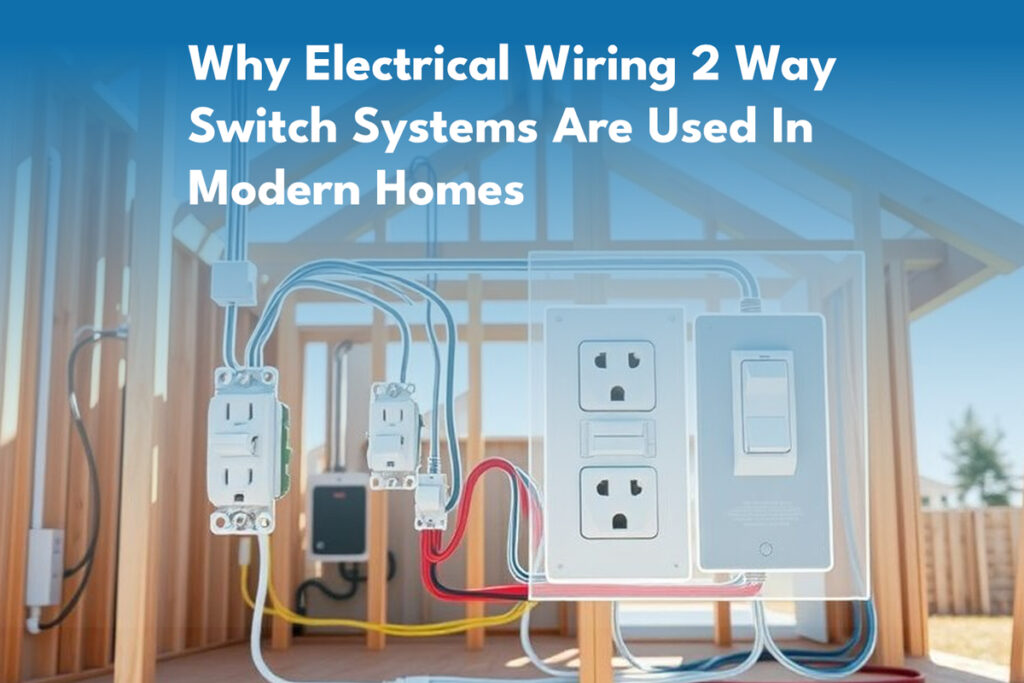
Homeowners today want convenience, safety, and to save energy. That’s why modern home electrical systems have changed. They now include 2 way switch wiring systems, which are common in today’s homes.
Ever wondered how some homes can control lights from different places easily? It’s because of two way switch wiring diagrams. These systems make homes more functional, safe, and energy-efficient.
The use of 2 way electrical wiring in homes shows how far we’ve come in home electrical wiring basics. As we want our homes to be smarter, knowing about these systems is key.
Knowing how electrical wiring 2 way switch systems work is key for homeowners. They help control lights from different spots, making homes more comfortable.
A 2 way switch lets you turn lights on and off from two places. It’s great for hallways, stairs, and big rooms.
1 way switches control lights from one spot. 2 way switches let you control lights from two spots. 2 way switches use traveler wires to link the two switches.
| Switch Type | Wiring Configuration | Control Locations |
| 1 Way Switch | Simple on/off wiring | Single location |
| 2 Way Switch | Involves traveler wires | Two locations |
Live wires carry electricity, and neutral wires finish the circuit. Traveler wires in 2 way systems link the switches. This lets you control lights from both spots.
2 way switch systems bring many advantages to modern homes. They are key in today’s home design, giving homeowners better control over their lights.
One big plus of 2 way switch systems is their convenience. You can turn lights on and off from different spots. This is super helpful in big homes or those with many levels.
These systems also help save energy. By turning off lights when not needed, you can cut down on energy use. Plus, they help use natural light more, which means less artificial light needed.
2 way switch systems also boost safety in homes. They make it easier to see in dark areas, lowering the chance of accidents. This is great for homes with older people or young kids.
In short, 2 way switch systems offer many benefits. They make homes more convenient, energy-efficient, and safe. It’s no wonder they’re a top choice for upgrading home lighting.
At the heart of every 2 way switch system is a complex mix of circuit principles and wiring. This setup lets you control lights from different places. It makes homes more convenient and accessible.
A 2 way switch system uses a SPDT (Single Pole Double Throw) switch. This switch lets electrical current go through two paths. It does this with a special wiring method and traveler wires.
Traveler wires are key in a 2 way switch system. They carry the electrical signal between switches. This lets you control the light from both places.
The terminals on a 2 way switch are labeled Common, L1, and L2. The Common terminal connects to the live wire or light fixture. L1 and L2 connect to the traveler wires. Knowing what each terminal does is crucial for wiring the system right and safely.
To install a 2-way switch, you need certain parts. Knowing these components is key for a good installation.
In Pakistan, you can find many 2-way switches. They come in rotary, toggle, and rocker styles. Using reliable wiring from Pakistan Cables ensures safe and durable installations with each switch type.
In Pakistan, Schneider and Legrand are top brands. Schneider is famous for its creative designs. Legrand is known for its high-tech products. Your choice depends on what you need and your budget.
The right wiring materials and conduits are crucial. You’ll often use copper or aluminum wires from trusted brands like A.G.E. Cables. PVC and metal conduits are also common. The type you choose affects your system’s safety and performance.
| Material | Characteristics | Usage |
| Copper | High conductivity, durable | Residential and commercial wiring |
| Aluminum | Cost-effective, lighter | High-voltage transmission lines |
| PVC Conduit | Corrosion-resistant, easy to install | Residential wiring |
For a smooth 2-way switch installation, you’ll need some tools. Wire strippers, pliers, screwdrivers, and a voltage tester are must-haves. The right tools make the job safer and faster.
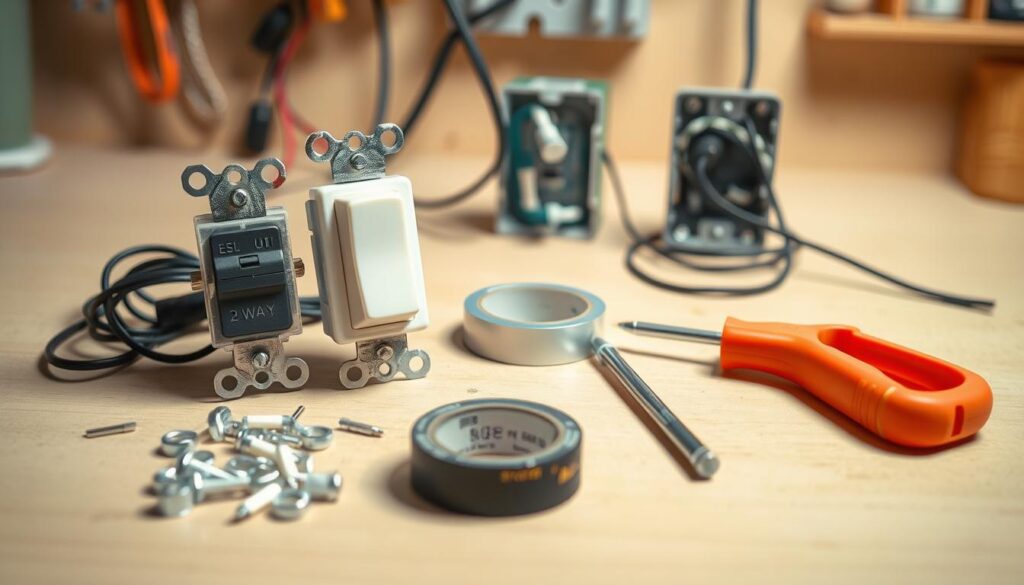
Wiring a 2 way switch is a detailed process. It requires following several key steps for a safe and working installation. First, understand the parts involved and the safety steps needed.
Make sure the power is off at the main electrical panel before starting. Use a voltage tester to check for electricity. Always wear protective gear, including gloves and safety glasses, to prevent injury. If unsure, consider getting a professional’s help.
A wiring diagram is essential for connecting the 2 way switch. It shows the electrical current path and switch connections. Study the diagram carefully to grasp each wire’s role, like live, neutral, and traveler wires.
Start by wiring the first switch. Find the common terminal and L1 and L2 terminals. Connect the live wire to the common terminal and the traveler wires to L1 and L2. Using electrical wiring with conduit helps protect the wires and ensures a safe, reliable installation. Make sure all connections are tight and secure.
The second switch is wired the same way as the first. Connect the traveler wires from the first switch to L1 and L2 on the second switch. Then, connect the common terminal of the second switch to the light or device.
After wiring, use a voltage tester to check the connections. Test each switch to ensure it works correctly, turning the light on and off from both switches.
| Component | Function |
| Live Wire | Carries electrical current to the switch |
| Traveler Wires | Connect the two switches, allowing them to control the light |
| Neutral Wire | Completes the electrical circuit |
By following these steps and taking safety precautions, you can wire a 2 way switch system in your home. If unsure, always seek a professional electrician’s advice.
In today’s homes, 2 way switch systems are used in many places. They make life easier and more convenient. These systems are great for areas where you need to control lights from different spots.
Staircase wiring is a big use of 2 way switch systems. They let homeowners control lights at the top and bottom of stairs. This makes stairs safer and more convenient.
Hallways and big rooms also get a lot from 2 way switch systems. In hallways, you can control lights from different doors. In large rooms, they help manage lights better. This is super helpful in rooms with many doors or long hallways.
Intermediate switch wiring is for more complex lighting needs. In commercial or high-load settings, electrical wiring 3 phase can be used to handle higher power safely, allowing control of lights from multiple locations with extra switches. It’s ideal for big homes or business premises.
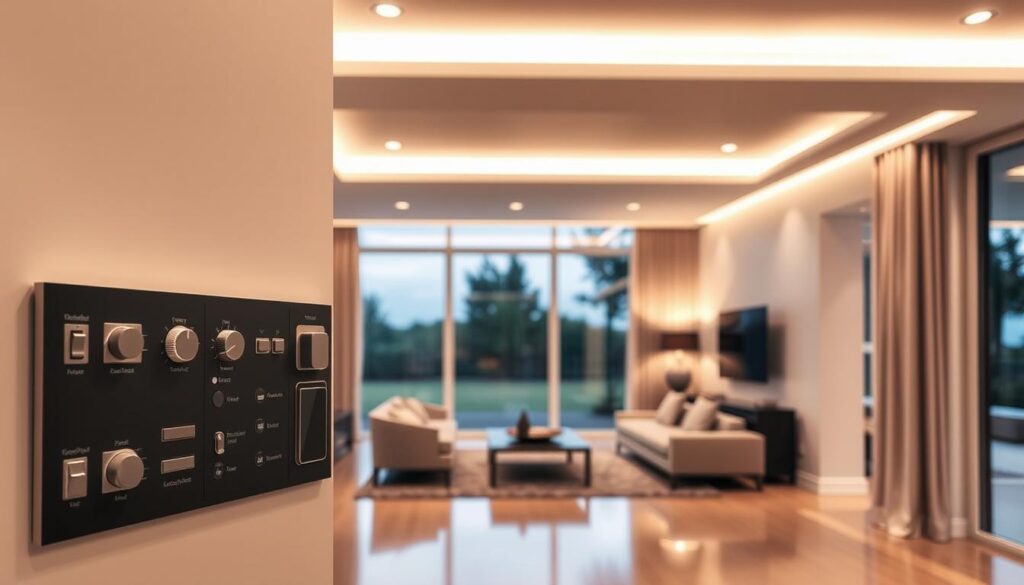
2 way switch systems are very useful, especially with advanced features like intermediate wiring. They add convenience, save energy, and improve safety.
In 2022, the global smart lighting market was valued at USD 15.05 billion, and it’s expected to reach USD 72.35 billion by 2030, growing at a compound annual growth rate (CAGR) of 22.1%. Source
Fixing 2 way switch problems can be tough, but knowing the usual issues helps. 2 way switch systems are getting more common in homes. So, problems with them are becoming more frequent.
Wiring issues often cause 2 way switch problems. First, check the connections at both switches. Make sure all wires are tight and correct. Also, double-check that the wiring diagram was followed right.
Switch problems usually come from bad switches or wrong wiring. Try swapping the switch for a new one to see if it fixes the issue. If it doesn’t, look at the wiring again for damage or wear. Electrical safety rules say a bad switch should be replaced right away to avoid dangers.
Many 2 way switch problems can be fixed by yourself, but some need a pro. If you’re not sure about wiring or if the problem won’t go away, call an electrician. Electrical safety experts say it’s safer to be cautious with electrical systems.
In summary, fixing 2 way switch problems needs patience and a careful plan. By knowing common issues and when to ask for help, homeowners can keep their systems safe and working well.
Electrical wiring 2 way switch systems have changed how we light and control our homes. They offer convenience, save energy, and add safety features. These systems are key to modern homes.
Getting these systems installed right is vital. It ensures they work well and safely. A good installation means no electrical dangers.
The need for smart homes and saving energy will keep growing. The future of electrical wiring will be shaped by new tech and designs. Knowing about 2 way switch systems will stay important for everyone.
When upgrading your home lighting, a reliable 2 way switch system can make your home safer, smarter, and more energy-efficient.
By choosing the right switches and professional installation, you ensure convenience and peace of mind.
Take control of your home lighting today and contact PowerLinkCo. at +92 323 2011998 or email us at powerlink311@gmail.com to get expert guidance and installation support.
A 2 way switch lets you control lights or electrical loads from two spots. This makes things more convenient and easy to reach.
A 1 way switch works from one spot. But, a 2 way switch works from two spots. It needs different wiring.
Traveler wires link the two switches. They let the switches talk to each other and control the lights or load.
The common terminal connects the live wire. It’s key to finishing the circuit to the lights or load.
The L1 and L2 terminals are marked on the switch. They connect the traveler wires. The exact setup depends on the switch type and wiring.
Using a 2 way switch in a staircase makes controlling lights easy from both ends. It boosts safety and makes getting around easier.
Yes, you can use an intermediate switch with two 2 way switches. This lets you control lights or loads from more than two spots.
Issues include bad wiring, wrong connections, and switch problems. These can be found and fixed with the right troubleshooting.
To troubleshoot, check the wiring and switch function. Use a voltage tester to find electrical problems.
Always turn off the power first. Use insulated tools and follow wiring diagrams. This keeps you safe from shock or injury.
