March 20, 2026

 Written by Hasan Munir
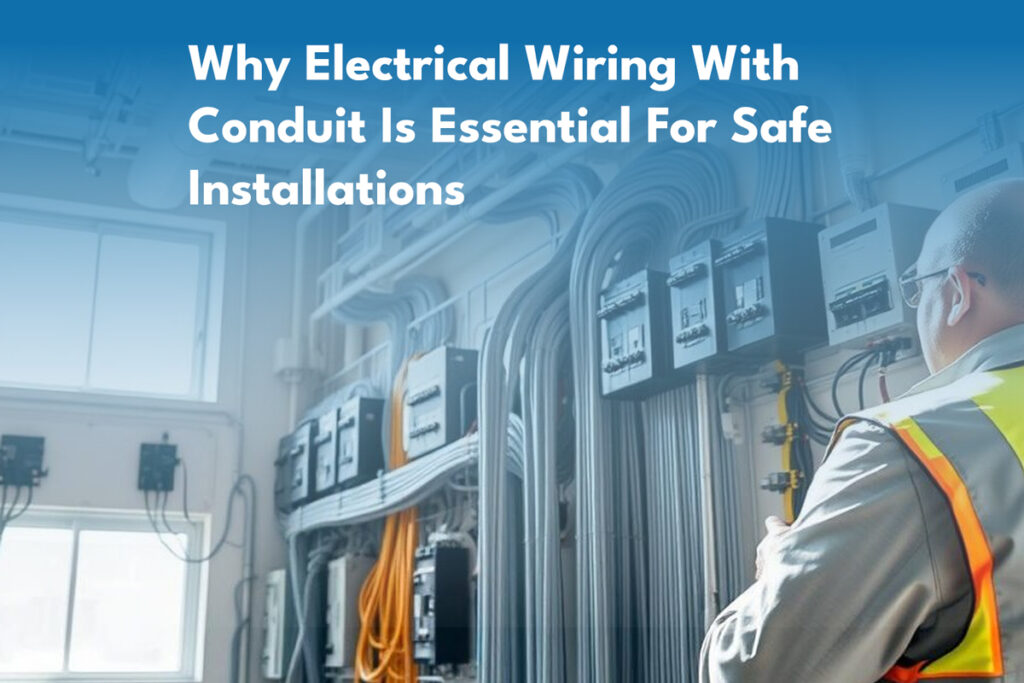
Do you know the dangers in your home’s electrical wiring? The risk of electrical fires and shock is a big worry for everyone.
In fact, according to a report by The Nation, 70% of electrocution deaths in Pakistan occur inside homes due to faulty or unsafe wiring.
Using conduit in buildings is key for safe and dependable electrical systems.
We will look into why conduit wiring installation is vital. It helps avoid electrical dangers.
Conduit wiring systems offer a safe and organized way to manage electrical wiring. They have become key in modern electrical setups because of their many advantages.
Conduit wiring wraps electrical cables in a protective tube, made of metal or plastic. Its main goal is to keep the wires safe from damage, moisture, and other harmful factors.
In Pakistan, conduit wiring has seen big changes over time. At first, electrical setups were often open and not protected. But, with better construction methods and global standards, conduit wiring is now standard. Pakistani construction companies use conduit systems for safe and lasting electrical work.
The Pakistan Engineering Council (PEC) and the National Electric Power Regulatory Authority (NEPRA) set strict rules for electrical work in Pakistan. They require conduit wiring in homes and businesses to meet global safety standards. Following these rules is vital for the safety and dependability of electrical systems.
In Pakistan, many conduit systems are used for electrical work. Each has its own benefits and uses. The right choice depends on the environment, needed protection, and rules.
PVC conduit systems are common in Pakistan. They resist corrosion and moisture well. Pakistan Cables and Popular Pipes make top-quality PVC conduits. These are great for homes and businesses.
Metal conduits, like galvanized steel and EMT (Electrical Metallic Tubing), offer more protection. They’re best for industrial places or where things need to last longer. Galvanized steel fights off rust, and EMT is flexible and easy to put in.
Flexible conduits work where rigid ones can’t, like in tricky shapes or on moving parts. They’re flexible and key for some industrial and business electrical jobs.
Karachi’s wet weather means picking the right conduit is crucial. PVC conduits are a top choice because they fight off moisture and rust. But, in places with lots of movement, metal conduits might be better.
Conduit wiring beats open wiring in many ways. It offers better protection, lasts longer, and is more flexible. This makes it a top pick for homes and businesses.
Conduit wiring keeps electrical cables safe from damage. The conduit acts as a shield, protecting wires from impacts and abrasions. This is crucial in busy areas or where heavy objects are moved around.

In places like Karachi, moisture and corrosion are big worries for wiring. Conduit wiring, especially with PVC or galvanized steel, fights off moisture and corrosion well. This keeps the electrical system working well, even in tough coastal weather.
Conduit wiring also boosts fire safety. It wraps electrical cables in a fire-resistant material. This lowers the risk of electrical fires, which are dangerous in crowded buildings.
Conduit wiring makes upkeep and upgrades simpler. Electricians can quickly swap out cables, cutting down on downtime and safety risks.
In summary, conduit wiring is the better choice for electrical work in Pakistan. It offers better protection, fights off moisture and corrosion, improves fire safety, and makes maintenance easier. This ensures a safe, reliable, and long-lasting electrical system.
Installing electrical wiring with conduit has several key steps. From planning to testing, this guide covers it all. It ensures your electrical system is safe and works well.
First, you need to plan and design your electrical wiring system. This means calculating the electrical load and planning your circuits.
Getting the load calculation right is key. It helps you figure out how many and what size circuits you need. For example, a big commercial building might need bigger conduits than a small house.
After calculating the load, you need to size your conduits and map their routes. Think about the number of wires, their size, and the conduit’s material. Good route mapping makes installation easier and keeps things accessible for maintenance.
Having the right tools and materials is crucial for conduit installation. You’ll need conduits, wires, junction boxes, fittings, and tools like pipe cutters. Having everything ready before you start can save time and avoid problems.
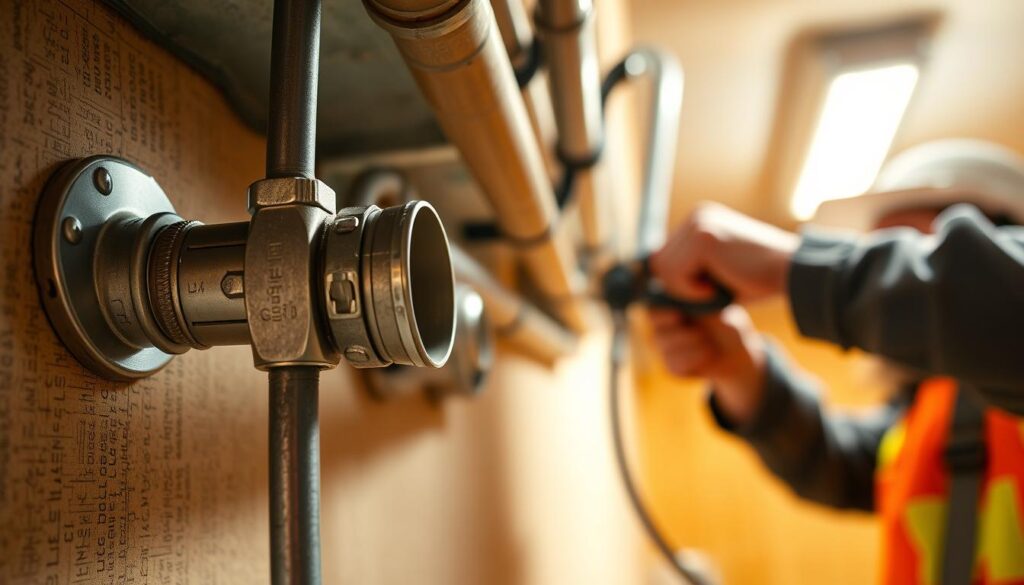
The installation process includes measuring, cutting, and preparing the conduit. You’ll also need to bend it, secure it, and install junction boxes.
Getting the conduit measurements right is important. Cutting and preparing it needs the right tools to avoid damage.
Each conduit material needs its own bending method. PVC conduits are bent with heat, while metal conduits use special tools.
Once the conduits are in, you need to pull the wires through. This step requires careful planning to avoid wire damage. The right termination methods ensure connections are secure and reliable.
Finally, testing and verification are key to a safe and working electrical system. You’ll check for continuity, insulation resistance, and grounding.
The cost of conduit wiring in Karachi changes based on several things. These include the type of material and labor costs. Knowing these costs helps in making better choices.
PVC conduit systems are cheaper than metal ones. High-quality PVC conduits from brands such as A.G.E. Cables range between PKR 150 to PKR 300 per meter, depending on quality and brand. Metal conduits, like galvanized steel or EMT, cost more, from PKR 500 to PKR 1,000 per meter.
The choice between PVC and metal depends on the project’s needs. This includes how durable it needs to be and its resistance to the environment.
Labor costs for conduit wiring in Karachi vary. They depend on the job’s complexity and the electrician’s skill. It’s important to hire a qualified electrician for safe and correct installation. Labor costs can be from PKR 5,000 to PKR 20,000 or more, based on the project’s size.
Conduit wiring costs more upfront but offers long-term cost benefits. It leads to lower maintenance costs and better safety. The investment in conduit wiring can pay off, especially in big commercial and industrial projects.
To find the best deal for conduit wiring, comparing quotes is key. Getting multiple quotes helps homeowners and builders. It lets them see different prices and services, ensuring a fair deal.
Conduit installations face several common issues that need quick fixes. These problems include moisture intrusion, wire pulling difficulties, and improper grounding.
Karachi’s coastal location makes conduit installations prone to moisture. To fight this, using sealing compounds is key. Also, make sure all conduit joints are sealed well.
Corrosion is a big worry in coastal areas because of salt and moisture. Using corrosion-resistant materials like PVC or galvanized steel helps. Regular checks are also important to spot problems early.
Wire pulling can be tough due to wrong conduit sizes or sharp bends. To fix this, pick the right conduit size for your wires. Use conduit bending tools for smooth bends.
Bad grounding can cause safety risks and equipment failures. To solve this, check if grounding electrodes are right. Make sure all grounding connections are tight and free from corrosion.
Knowing and fixing these common issues helps keep conduit installations safe and working well. Electricians and technicians can make sure they last a long time.
Electrical wiring with conduit is key for safe and reliable setups in Pakistan. It brings many benefits, like better safety, easier upkeep, and saving money in the long run.
Conduit wiring protects electrical cables from damage, moisture, and corrosion. This is very important in Karachi’s humid weather, where moisture can be a big problem.
Using conduit wiring helps meet PEC and NEPRA’s rules. It also makes it easier to upgrade and maintain electrical systems, saving on expensive renovations.
In short, electrical wiring with conduit is vital for safe and dependable electrical systems. Its advantages, such as better safety and easier maintenance, make it a top choice for homes and businesses in Pakistan.
Don’t compromise on safety with trusted PowerLinkCo. Call us at +92 323 2011998 or email us at Powerlink311@gmail.com to schedule a consultation and make your electrical installations secure and efficient.
Electrical wiring with conduit means putting wires in a protective tube called conduit. This keeps the wires safe from damage and ensures they work well.
In Karachi, conduit wiring is safer. It protects wires from damage, moisture, and corrosion. This makes it a better choice for homes and businesses.
Pakistan uses PVC conduit, metal conduit (like galvanized steel and EMT), and flexible conduit. Each type has its own benefits and uses.
For Karachi’s humid weather, use PVC conduit or metal conduit that resists corrosion. This keeps the wiring safe and durable.
Conduit wiring protects wires from damage, moisture, and corrosion. It also makes maintenance and upgrades easier.
To install conduit wiring, plan and design first. Then, size and map the conduit. Cut and secure it, pull wires, and finish with testing.
Conduit wiring costs vary based on materials (PVC or metal), labor, and installation complexity. But, it offers long-term savings and value.
To fix conduit issues, address moisture, corrosion, and wire pulling problems. Also, solve grounding issues to ensure safety.
Yes, conduit wiring in Pakistan must follow PEC and NEPRA rules. These ensure safety and quality.
Yes, conduit wiring works for underground lines. Just make sure the conduit is designed for underground use and follows standards.
