March 20, 2026

 Written by Hasan Munir
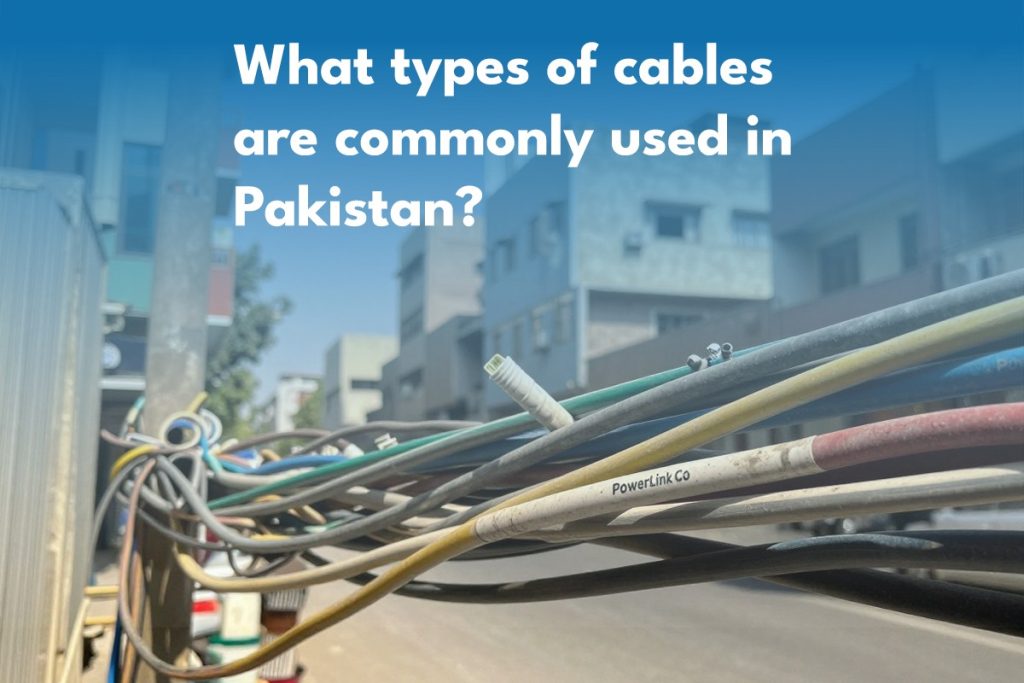
Pakistan’s growing infrastructure and increasing demand for electricity have led to a surge in the use of various electrical cables. But what are the most common types of cables being used across the country?
The cable industry in Pakistan has seen significant growth. This is due to rising demands from residential, commercial, and industrial sectors. Understanding the different electrical cables in Pakistan and their applications is key. It ensures safety, efficiency, and reliability.
For those looking to navigate the complex world of electrical cables, it’s essential to know the common types of cables used. Whether you’re a homeowner, contractor, or business owner, having the right information can make all the difference.
Pakistan’s cable industry is growing fast. This is because more people need electrical cables for construction, manufacturing, and telecom. The demand is high.
The cable manufacturing sector in Pakistan is key to the country’s growth. Lately, there have been big investments. This has helped manufacturers boost their output and quality.
Key Features of Pakistan’s Cable Manufacturing Sector:
Some big names in Pakistan’s cable industry are known for quality and innovation. They are helping meet the country’s cable needs.
For example, Pak Elecztria and South Asia Cables are leaders in the market. They are famous for their top-notch products.
The demand for cables in Pakistan is on the rise. This is due to projects, industrial growth, and telecom expansion. People want durable, high-quality cables that meet global standards.
“The future of Pakistan’s cable industry looks promising, with increasing investments and a growing focus on quality and innovation.” – Industry Expert
Quality cables are essential for safe and efficient electrical systems. Bad cables can cause short circuits and fires. This can lead to big losses.
Benefits of Quality Cables:
For more info on cable manufacturers and to find high-quality cables, contact us at the given details.
Pakistan uses different cables for power distribution. These cables are chosen for safety and efficiency in homes, industries, and businesses.
PVC insulated cables are popular in Pakistan. They are affordable and easy to install. They work well for home wiring.
PVC cables are great for home wiring. They are flexible and resist moisture. They’re perfect for indoor use where it’s not too hot or cold.
In Pakistan, you can find PVC cables in various sizes and voltages. Sizes like 1.5mm², 2.5mm², and 4mm² are common for homes.
XLPE (Cross-Linked Polyethylene) cables are best for industries and businesses. They handle high temperatures well. This makes them great for heavy use.
XLPE cables are used where it’s hot and there’s a lot of electricity. They’re good for power in factories, offices, and big projects.
XLPE cables can handle high temperatures. This means they last longer and work better. It’s safer for power use.
Armored cables offer extra protection. They’re good for places where cables might get damaged, like underground.
When putting armored cables underground, follow certain rules. Choose the right cable, dig the right depth, and avoid sharp turns.
The armor on these cables protects against damage. They’re perfect for areas where cables might get hurt.
Our team can help you pick the right cables. We ensure you get what you need for safe and efficient power.
Pakistan’s telecommunications industry is growing fast. It needs different cables for good and reliable connections. “The backbone of modern telecommunications lies in its cables,” experts say. The industry uses many types of cables for data and networking.
In Pakistan, coaxial cables are key for cable TV and broadband. They can carry lots of data, making them great for fast internet and TV.
Coaxial cables are top for cable TV and broadband. They handle high-frequency signals well. This makes them essential for today’s fast connections.
RG6 cables are more common in Pakistan. They have more bandwidth than RG59. This makes them better for HD TV and fast internet.
Key differences between RG6 and RG59:
Twisted pair cables, like UTP and STP, are used in local area networks (LANs) in Pakistan.
Choosing between Cat5e, Cat6, and Cat7 depends on data needs and budget. Cat6 and Cat7 are popular for their speed.
While Cat5e is cheaper, Cat6 and Cat7 perform better. The right choice depends on network needs and growth plans.
“Investing in higher-category cables like Cat6 or Cat7 can future-proof your network infrastructure,” according to networking specialists.
Fiber optic cables are becoming key in Pakistan for fast data. They’re a big step up from copper cables.
Pakistan has both single-mode and multi-mode fiber optic cables. Single-mode is for long distances, while multi-mode is for short distances in buildings.
Pakistan is building big fiber optic networks. This will make its telecom infrastructure faster and more reliable.
Submarine cables are vital for linking Pakistan to the world. They enable fast international data exchange and communication.
For more information on telecommunication cables, please contact us.
Choosing the right cables is key for safe, efficient, and cost-effective electrical systems in Pakistan. It involves several important steps. These steps ensure the cables meet specific needs and follow standards.
First, you need to figure out what you need. This means deciding if you need cables for homes or businesses.
Home needs are usually for lower voltages and currents. For example, homes might use cables for up to 230V. But, businesses need cables for higher voltages and currents.
To figure out the load, add up the power of all appliances and devices. This helps pick the right cable size and type.
It’s important to know what the cable specifications mean. This ensures the cables meet the needed standards.
Cable markings and labels tell you a lot. They show voltage and current ratings, insulation type, and who made it.
The voltage and current ratings tell you the max a cable can handle. Choosing the right ratings is key for safety and efficiency.
Environmental factors are important when picking cables.
Indoor cables are made for indoor use. Outdoor cables must handle weather like rain, heat, and UV.
Pakistan’s climate varies a lot. This means cables need to be durable for different weather. For example, desert areas need cables that resist heat well.
Money matters when choosing cables.
While cheaper cables might look good, they often lack quality and safety. It’s important to find a balance between cost and quality.
Even though high-quality cables cost more upfront, they save money in the long run. They also improve safety.
By following these steps, people and businesses in Pakistan can make smart choices about cables.
Getting cables installed right is key for reliable electrical and telecom systems in Pakistan. Doing it well means cables last longer and keeps everyone safe and connected.
To install cables right, follow a clear plan. This means mapping out the cable path, getting the right tools, and installing with care.
In Pakistan, you can find many tools for cable work. Brands like Pakistan Cables and FAST offer top-notch tools that meet global standards.
| Tool/Equipment | Description | Brand Availability |
| Cable Cutters | Used for cutting cables to the required length | Pakistan Cables, FAST |
| Cable Strippers | Used for stripping the insulation from cables | Pakistan Cables, FAST, local suppliers |
| Cable Testers | Used for testing the integrity and connectivity of cables | FAST, international brands |
Keeping safe is the top priority when installing cables. Wear protective gear and work in a safe, well-ventilated area. Always follow the tool maker’s instructions.
“Safety is not just a precaution, it’s a responsibility that we all share on the job site.”
John Doe, Safety Expert
Don’t make common mistakes like bad cable routing, not enough support, or wrong terminations. These can cause signal loss, electrical problems, and safety risks.
Regular checks are key to keeping cables in good shape. Look for damage, test signals, and fix problems fast.
Look out for cuts, exposed wires, and signal loss. Regular checks can spot these problems early.
Decide if to fix or replace a damaged cable based on the damage and its importance. For small problems, fixing might work. But big damage often means it’s better to replace it for safety and cost reasons.
Need help with cable installation or maintenance? Contact us. Proper installation and care are vital for your systems’ performance and safety.
Finding a reliable source for buying cables in Pakistan is key. The cable market in Pakistan has grown a lot. But, it’s hard to find real products from authorized dealers.
Authorized dealers and distributors are very important. They make sure you get genuine cables that meet standards. They are the main part of the cable network in Pakistan, helping products from good manufacturers reach people.
Cities like Karachi, Lahore, and Islamabad have big cable markets. These markets have many local and international brands. They offer good prices and a wide range of products.
In Karachi, the Empress Market is a top place for electrical cables. In Lahore, Mochi Gate is known for its electrical goods, including cables.
E-commerce has made buying cables online easier. Sites like Daraz and OLX let you shop from home. But, always check the seller’s authenticity and read reviews before buying.
It’s important to check if cables are real. This ensures they are safe and work well. Look for certifications from trusted bodies.
The Pakistan Standards and Quality Control Authority (PSQCA) certification is a sign of quality. Look for the PSQCA logo on cable packaging or documents. This means the product is certified.
Counterfeit cables are dangerous and may not be safe. Look for poor packaging, no certification, and very low prices. If something seems off, report it to the authorities.
Comparing prices in different places can help you find the best deals. Cable prices vary by region, supplier, and availability. Always check prices at different places before buying.
By being informed and careful, people in Pakistan can buy quality cables. This ensures they get what they need and stay safe and efficient.
Knowing the different types of cables in Pakistan is key. It helps in making smart choices for homes and businesses. The cable industry is vital for the country’s growth, providing essential cables for electricity and communication.
Choosing the right cables can improve safety and performance. It’s also important to install and maintain them well. This ensures they work as they should.
When buying cables, it’s important to buy from trusted sources. This way, you get genuine products. We’re here to help you find the best cables for your needs.
In Pakistan, you’ll find many types of cables. These include PVC insulated cables, XLPE cables, and armored cables. You’ll also see coaxial cables, twisted pair cables, and fiber optic cables.
PVC cables are cheaper and good for homes. XLPE cables, on the other hand, handle heat better. They’re better for businesses and industries.
Armored cables are great for underground use. They’re also good for places that might get damaged easily. This is because they’re very durable.
RG6 cables are more common in Pakistan. They have a higher bandwidth. This makes them perfect for cable TV and internet.
Cat5e, Cat6, and Cat7 cables have different speeds. Cat7 is the fastest. Your choice depends on how fast you need your data to be and your budget.
PSQCA certification is very important. It shows that cables meet quality and safety standards. Always check for this when buying cables.
To spot fake cables, look for PSQCA certification. Check the labels carefully. Also, be wary of cables that are too cheap.
Fiber optic cables are super fast. They’re great for internet and phone services. This makes them perfect for Pakistan’s needs.
First, think about what you need. Look at the cable’s specs. Consider where you’ll use it and how much you can spend.
Avoid handling cables wrong. Don’t route them incorrectly. And always follow safety rules.
