March 20, 2026

 Written by Hasan Munir
Do you know about the different types of wiring that affect your home’s safety and efficiency?
It’s key for homeowners to grasp electrical wiring. This ensures your home is safe and works well. With many wiring types out there, picking the right one can be tough.
Need help or more info? Call us at +92 339 8238401 or email Powerlink311@gmail.com. Our office is at Electric Market, Khuria St, Bohrapir Marwaari Lines, Karachi.
Electrical wiring is key to home safety and function. Homeowners need to understand wiring fundamentals to ensure their homes remain safe, efficient, and compliant with local regulations, especially when sourcing materials from a reliable age cable supplier in Karachi that meets approved electrical standards.
Quality wiring is vital for home safety. Bad wiring can cause electrical shocks, fires, and other dangers. Using top-notch wiring materials and correct installation is key to avoiding these risks. Homeowners should always work with a trusted Pakistan cable supplier in Karachi that provides certified wiring designed to meet residential safety and durability requirements.
Quality wiring offers many benefits:
| Wiring Material | Safety Features | Durability |
| Copper | High conductivity, resistant to corrosion | Long-lasting |
| Aluminum | Cost-effective, good conductivity | Less durable than copper |
A well-documented residential safety investigation by the U.S. Consumer Product Safety Commission (CPSC) revealed how homes using outdated aluminum branch-circuit wiring faced increased fire risks due to loose and overheated electrical connections. In multiple real-world incidents, overheating occurred behind walls at outlets and switches, often without visible warning signs, eventually leading to melted insulation and in-wall ignition. These cases highlighted a critical lesson for homeowners: selecting the correct wiring type, ensuring proper terminations, and conducting regular inspections are just as important as installation itself, particularly in high-load areas like kitchens and living spaces. Source
Pakistan has its own electrical rules and standards. Following these rules is a must to stay safe and avoid legal trouble.
Some important parts of Pakistan’s electrical standards are:
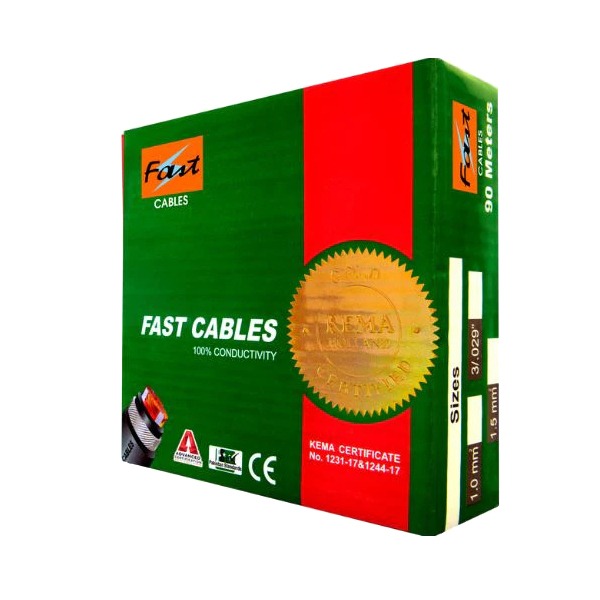
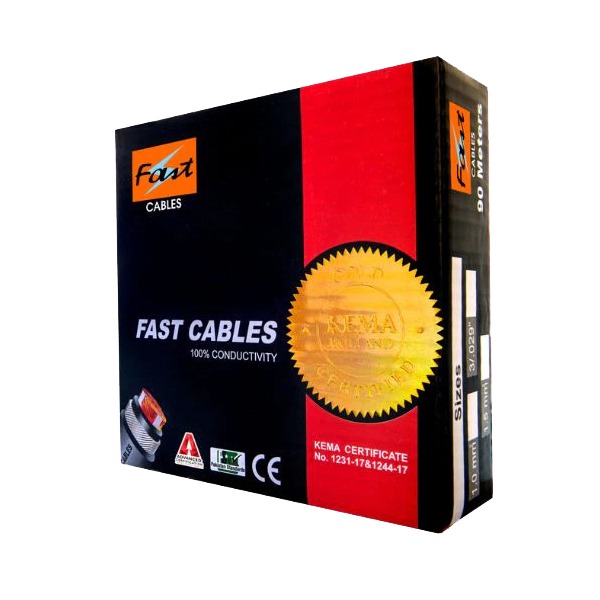
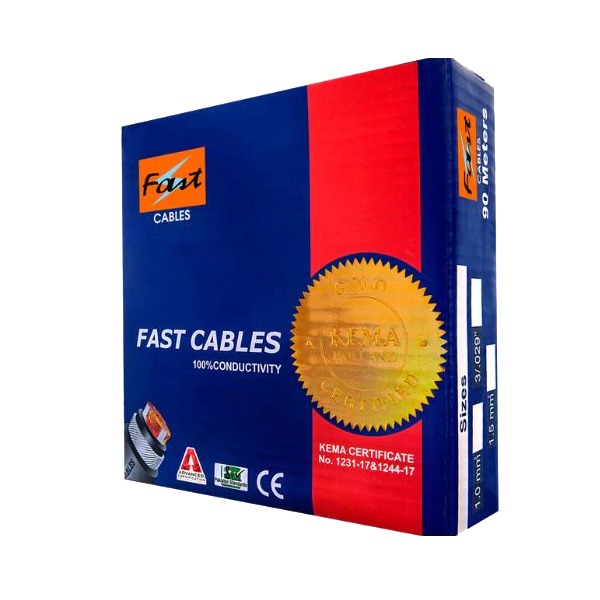
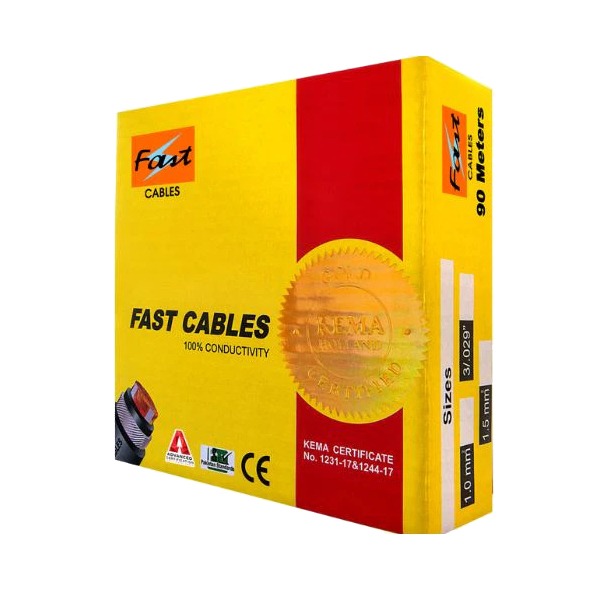
The type of wiring used in residential properties plays a crucial role in electrical safety and performance. Selecting the correct wiring becomes even more important when coordinating with a fast cable supplier in Karachi that can provide timely access to the appropriate cable types for both new construction and renovation projects.
Homeowners and electricians must pick the right wiring for their needs.
Wiring systems in homes serve different purposes. They range from indoor lighting to outdoor and underground setups. Knowing these types is vital for a safe and efficient electrical system.
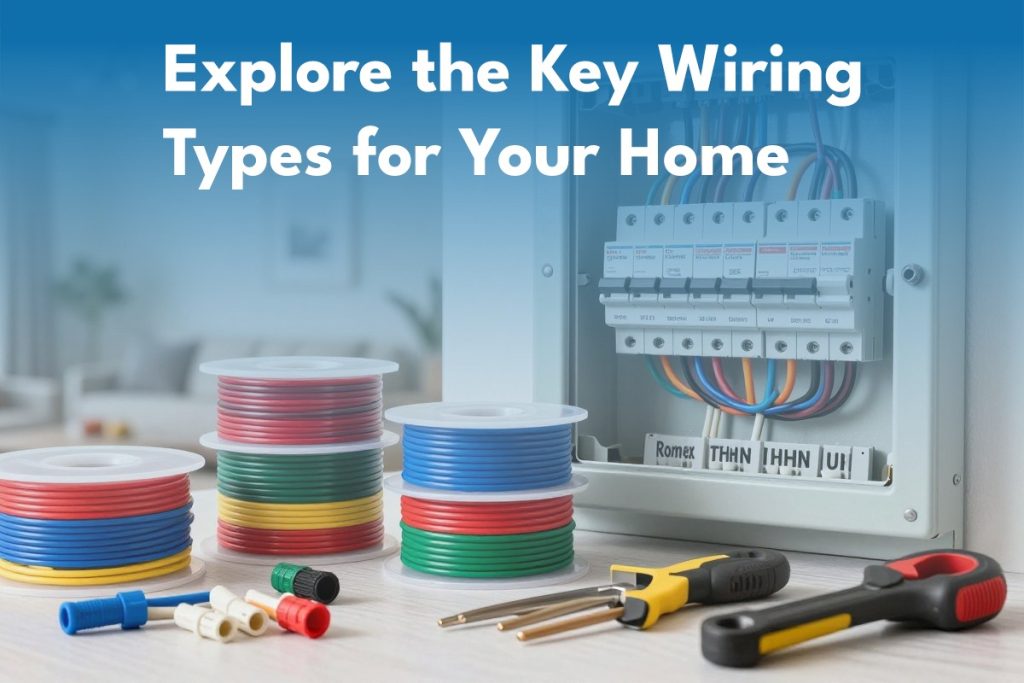
Non-Metallic Sheathed Cables, or Romex, are common in homes. They have a flexible plastic jacket and many insulated conductors. NM cables work well indoors for lighting and outlets.
Key benefits:
Armored cables have a metal covering for extra protection. They’re good for areas where cables might get damaged. Metal-Clad cables offer similar protection but are smoother and more flexible.
Advantages:
Underground Feeder cables are for burying in the ground. They’re perfect for outdoor lighting, yard outlets, or underground electrical needs. These cables can handle moisture and other underground conditions.
Features:
Service Entrance cables connect the electrical service to the home’s panel. They handle high voltage and current from the grid.
Characteristics:
| Wiring Type | Primary Use | Key Features |
| Non-Metallic Sheathed Cables (NM) | Indoor wiring for lighting and outlets | Flexible, cost-effective, easy to install |
| Armored and Metal-Clad Cables | Areas requiring protection from damage | Durable, resistant to mechanical damage |
| Underground Feeder Cables | Direct burial for outdoor and underground needs | Moisture-resistant, suitable for direct burial |
| Service Entrance Cables | Connecting utility lines to home electrical panel | High voltage and current capacity, durable |
Choosing the right wiring for your home is key for safety and efficiency. Each room and outdoor space has its own needs. These depend on moisture, weather, and safety.
Kitchens and bathrooms are risky because of water and moisture. You need wiring that can handle moisture, like GFCI (Ground Fault Circuit Interrupter) protected circuits. GFCI stops electrical shock by cutting off the circuit when it finds a ground fault.
Bedrooms and living areas need wiring for lights, entertainment, and appliances. Non-metallic sheathed cables (NM) work well here because they’re flexible and easy to install. Make sure the wiring fits the electrical needs and follows local rules.
Outdoor and garden spaces face rain, sun, and cold. Use weather-resistant wiring like underground cables or UV-protected outdoor cables. Sealing connections and using outdoor-rated fittings is also important for safety and lasting quality.
Choosing the right wiring for each area makes your electrical system safe and efficient. Always talk to a licensed electrician to find the best wiring for your home.
Smart homes and energy-saving living are on the rise. This means advanced wiring types are now key.
Home electrical systems are getting more complex. This has led to a need for specialized wiring. These types improve home functionality, safety, and efficiency.
Smart home wiring uses low-voltage systems for lights, heat, and security. These systems are flexible and work with many smart devices. Low-voltage wiring, like Category 5e or Category 6, ensures data is sent reliably and cuts down on electrical interference.
In hot spots like kitchens or near heaters, heat-resistant wiring is a must. These cables can handle extreme heat without losing their shape. Fire-rated cables keep circuits working during a fire, helping with evacuation and firefighting.
Pakistan’s weather varies a lot, from very hot to rainy. Weather-resistant wiring is needed to handle this. These cables can stand up to sunlight, moisture, and extreme temperatures, keeping outdoor electrical setups safe and lasting.
| Wiring Type | Key Features | Applications |
| Smart Home Wiring | Low-voltage, high flexibility | Smart lighting, heating, security systems |
| Heat-Resistant Wiring | High-temperature resistance | Kitchens, near heating appliances |
| Weather-Resistant Wiring | Resistance to sunlight, moisture, and extreme temperatures | Outdoor installations, gardens, and public spaces |

Choosing the right wiring is vital for modern homes. It ensures safety, efficiency, and better functionality.
Choosing the right wiring is just the start. Proper installation is essential for electrical safety. A good installation boosts your electrical system’s performance and lowers the risk of electrical dangers.
The wiring installation process has key steps. First, turn off the main power supply to prevent electrical shocks. Then, plan the wiring route carefully to avoid damage. Use the right conduits and fittings to keep the wiring safe. Lastly, test the connections to make sure they’re secure and meet electrical standards.
One big mistake is inadequate grounding, which can cause serious safety issues. Another error is overloading circuits, leading to overheating and fire risks. Also, using damaged or wrong wiring is a big no-no.
Regular maintenance keeps your electrical wiring safe and working well. Do regular checks for frayed insulation, loose connections, and overheating signs. Fixing these problems early can prevent bigger issues.
If you’re not sure about wiring installation or maintenance, get a professional electrician’s help. They can guide you safely and ensure the work meets codes.
For DIY wiring projects, safety first. Always wear the right protective gear and make sure the power is off. Know your local electrical codes to stay safe.
Electrical safety experts stress that safety is the most important thing when working with electrical systems. Regular checks, maintenance, and proper installation are vital for a safe and efficient electrical setup.
Ensuring safe and efficient electrical systems in your home begins with selecting the right wiring types and following proper installation and maintenance protocols. From indoor living spaces to outdoor and underground installations, the quality of cables and professional guidance directly impacts long-term safety and performance.
Whether you are building a new home or upgrading an existing electrical system, sourcing certified wiring from a trusted supplier is essential. For homeowners seeking dependable electrical solutions, PowerLink Co stands out as a reliable provider of residential wiring support, quality cable supply, and expert guidance tailored to Pakistan’s electrical standards.
Residential properties often use Non-Metallic Sheathed Cables (NM) and Armored and Metal-Clad Cables. They also use Underground Feeder Cables and Service Entrance Cables. Each type has its own features and uses.
For kitchens and bathrooms, choose wiring that resists moisture. Use GFCI-protected circuits and wiring with a moisture-resistant jacket. This ensures safety and meets electrical standards.
Armored cables have a flexible metal armor. Metal-Clad Cables have a rigid metal jacket. Both offer protection, but in different ways.
Yes, Underground Feeder Cables are great for outdoor lighting. They’re made to handle the weather and are resistant to moisture and abrasion.
Smart Home wiring systems bring advanced features. They offer automation, remote monitoring, and energy efficiency. This makes controlling and managing home devices easier.
Inspect your home’s electrical wiring every 10 years. Also, check it when you see signs of wear, damage, or malfunction. This keeps your home safe and prevents electrical hazards.
Always follow safety rules when installing wiring. Turn off the power, wear protective gear, and avoid overreaching or working at heights without support.
You can do some wiring projects yourself. But for complex or high-voltage tasks, hire a licensed electrician. They ensure safety and follow the right protocols.