March 20, 2026

 Written by Hasan Munir
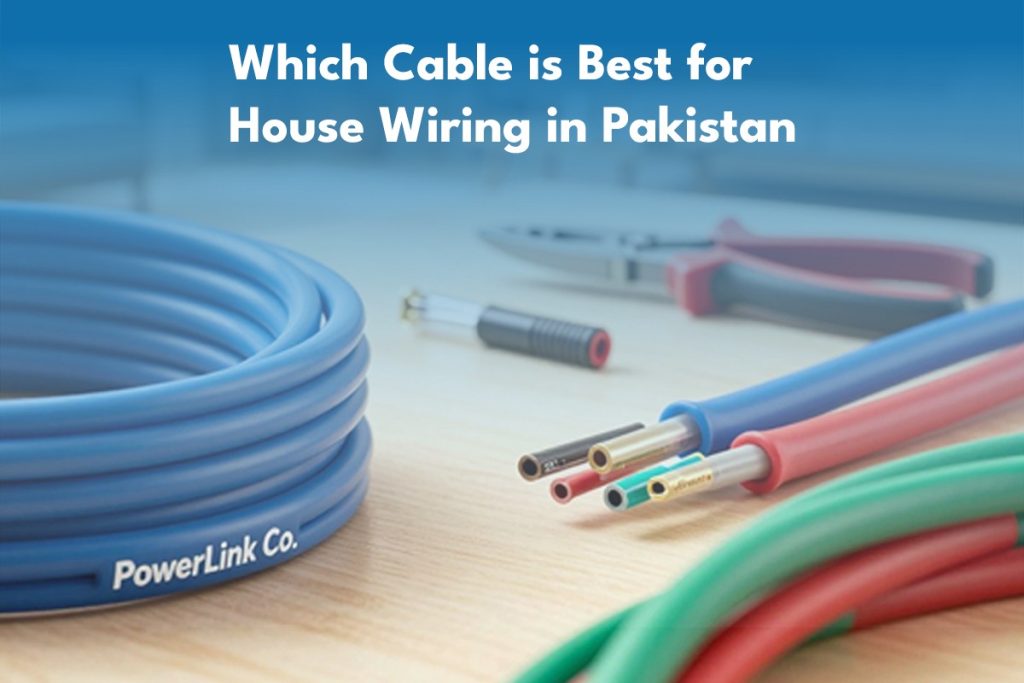
Are you planning to wire your home in Pakistan but unsure about the right cable to use? Choosing the correct cable is key for safety and efficiency.
Proper electrical wiring is vital for any home. With many options, picking the best cable can be tough. In Pakistan, the right cable ensures a reliable and safe electrical supply.
For expert advice, call us at +92 339 8238401 or email Powerlink311@gmail.com. Our office is at Electric Market, Khuria St, Bohrapir Marwaari Lines, Karachi. We’re here to assist.
Pakistan’s electrical setup follows certain wiring standards and codes. These rules are key for keeping homes safe and wiring up to code.
The electrical codes in Pakistan aim for safe and efficient wiring. Authorities enforce these rules to avoid electrical dangers.
WAPDA has rules for home wiring, like the right cable sizes and types.
Local building codes also shape electrical systems in homes. They make sure wiring meets national standards.
Safety in home wiring in Pakistan focuses on quality materials and proper installation. For more on electrical codes, contact us at the given details.

House wiring in Pakistan uses different cables like PVC, XLPE, and fire-resistant ones. Choosing the right cable is key for safety, efficiency, and meeting local electrical rules.
PVC insulated cables are popular in Pakistani homes because they’re affordable and last long. They can handle moisture and chemicals well, fitting many settings.
Single-core PVC cables have one conductor, while multi-core cables have many. Single-core cables are for main power lines. Multi-core cables connect home appliances.
In Pakistani homes, PVC cables are used for lights, outlets, and appliance connections. They’re versatile and protect against environmental damage, making them a favorite choice.
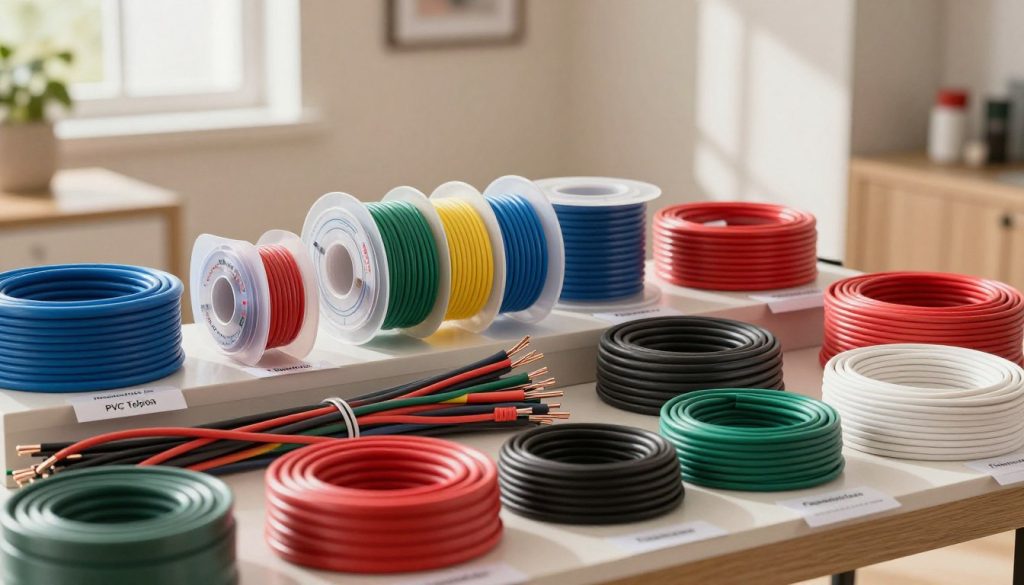
XLPE cables have better heat resistance than PVC cables. They’re great for places with high temperatures, often used in commercial and industrial areas.
Fire-resistant cables keep circuits working during fires. This helps people leave safely and reduces damage. They’re made with special materials that can handle high heat.
For more details on cable types and uses, contact Powerlink311@gmail.com. They can offer expert advice.
Choosing the right cable for house wiring in Pakistan is key for safety and efficiency. The cable you pick can greatly affect your electrical system’s performance and how long it lasts.
Cables for house wiring in Pakistan are usually made of copper or aluminum. Copper cables are top-notch for their conductivity and durability. Copper cables perform better and are less likely to overheat. Aluminum cables, though cheaper, might not conduct as well and can corrode easily.
Cost is important, but quality should not be overlooked. Cheap cables might save money at first but could cost more to maintain later. Spending on quality cables means a safer and more reliable electrical system.
“The quality of the cable directly affects the safety and efficiency of the electrical wiring system.”
Different needs call for different cable sizes. Here are some guidelines:
For main supply lines, use a 16mm or 25mm cable, depending on the load.
For lighting, a 2.5mm or 4mm cable is enough.
Power outlets need a 4mm or 6mm cable to handle more current.
For specific advice, call us at +92 339 8238401.
In Pakistan, picking a good cable brand is key for a safe electrical system. The market has many choices, but some brands are better than others.
Pakistan Cables Limited is a top name in electrical cables. They’ve been making quality cables for years. Their cables last long and meet international standards.
Newage Cables is also well-known in Pakistan. They have cables for homes and businesses. Their focus on quality and innovation has won them many customers.
Fast Cables is known for reliable cables. They have products for both homes and businesses. Their dedication to quality and customer happiness makes them a favorite.
For your house wiring, consider these top brands. Here’s a quick look at what they offer:
| Brand | Product Range | Notable Features |
| Pakistan Cables Limited | Residential, Industrial Cables | Durable, Compliant with international standards |
| Newage Cables | Residential, Industrial Cables | Innovative products, Wide range |
| Fast Cables | Residential, Commercial Cables | Reliable, Efficient |
Choosing one of these brands means a safe and efficient electrical system for your home.
Different parts of your home need special wiring. The right cable is key for safety and efficiency.
Kitchens and bathrooms are wetter than other rooms. They need water-resistant cables. These areas also have big appliances that need special wiring.
In wet areas, like kitchens and bathrooms, water-resistant coatings on cables are a must. They keep you safe from electrical dangers.
Big appliances, like ovens and water heaters, need heavy-duty cables. They handle the extra electrical load safely.
Living rooms and bedrooms need less wiring. But, it’s important to use high-quality cables. They ensure your wiring works well and safely.
Outdoor wiring must face weather like sun, rain, and cold. UV-resistant and waterproof cables are best for this.
If you need help with wiring, just ask. Picking the right cable for each area is vital for a safe and efficient home.
Installing house wiring needs careful planning and execution. This ensures a safe and reliable electrical system. Before starting, it’s key to know the tools and materials needed.
Here are the tools and materials you’ll need for a successful installation:
The installation process has several key steps:
Plan your wiring layout carefully. Make sure it meets your electrical needs and follows local regulations.
Route cables through conduit pipes. Ensure they are securely fastened and protected from damage.
Connect cables to distribution boards. Follow the manufacturer’s instructions and local electrical codes.
Test all connections to ensure they are secure and working correctly.
| Step | Description |
| 1 | Planning Your Wiring Layout |
| 2 | Cable Routing and Placement |
| 3 | Connecting to Distribution Boards |
| 4 | Testing Connections |
Safety first is essential during house wiring installation. Always follow safety guidelines. Turn off the main power supply before starting work. Use insulated tools to prevent electrical shock.
To keep your home’s electrical system safe and working well, regular maintenance is essential. This includes checking and inspecting your wiring to avoid electrical dangers.
Regular checks can spot problems early, before they get worse. It’s wise to check your wiring every few years. Or sooner if you see any damage or wear.
Focus on these areas during your inspections:
Pakistani homes face unique wiring issues due to the local weather and setup. Some common problems are:
To handle voltage changes, use voltage stabilizers. Also, make sure your electrical setup meets local voltage standards.
For weather damage, like from heavy rain or heat, use weather-resistant wiring. Also, cover your wiring with protective materials.
If you’re not sure about your wiring or see electrical problems, call a professional electrician. They can fix your electrical system safely and efficiently.
Proper house wiring is key for a home’s safety and efficiency. Following the best practices in Pakistan ensures a reliable and secure electrical supply.
The role of proper wiring is huge. It prevents electrical shocks and fires. It also cuts down energy losses and boosts the electrical system’s performance.
Choosing the right cable and following safety standards are important. Homeowners can enjoy a safe and efficient electrical supply. Top brands like Pakistan Cables Limited, Newage Cables, and Fast Cables offer quality cables.
Regular checks and maintenance of the electrical system are vital. This prevents common wiring issues. By following these practices, homeowners in Pakistan can have a safe, reliable, and efficient electrical system.
Choosing the right cable for house wiring in Pakistan depends on several factors. These include the type of application, load requirements, and safety standards. PVC and XLPE cables are popular due to their durability and resistance to heat and moisture.
Yes, Pakistan has its own electrical codes and regulations for house wiring. These are enforced by WAPDA and local building authorities. They ensure safety and compliance.
Cable sizes vary based on the application. For main supply lines, use a larger gauge cable. For lighting circuits and power outlets, smaller gauge cables are suitable. Always check the relevant electrical codes and regulations for specific guidance.
No, outdoor wiring needs cables that resist weather conditions like UV radiation and moisture. Specialized outdoor cables are available. It’s best to use them for outdoor wiring.
Regular inspections are key to ensuring your house wiring’s safety and longevity. Inspect your wiring every 5-10 years or when you notice damage or malfunction.
You can buy top-rated cables for residential wiring from authorized dealers and online marketplaces. Some top brands in Pakistan include Pakistan Cables Limited, Newage Cables, and Fast Cables.
While you can install house wiring yourself, it’s best to hire a professional electrician. They ensure safety standards and regulations are met. A professional can also guide you on the best cable choices and installation practices.
