March 20, 2026

 Written by Hasan Munir
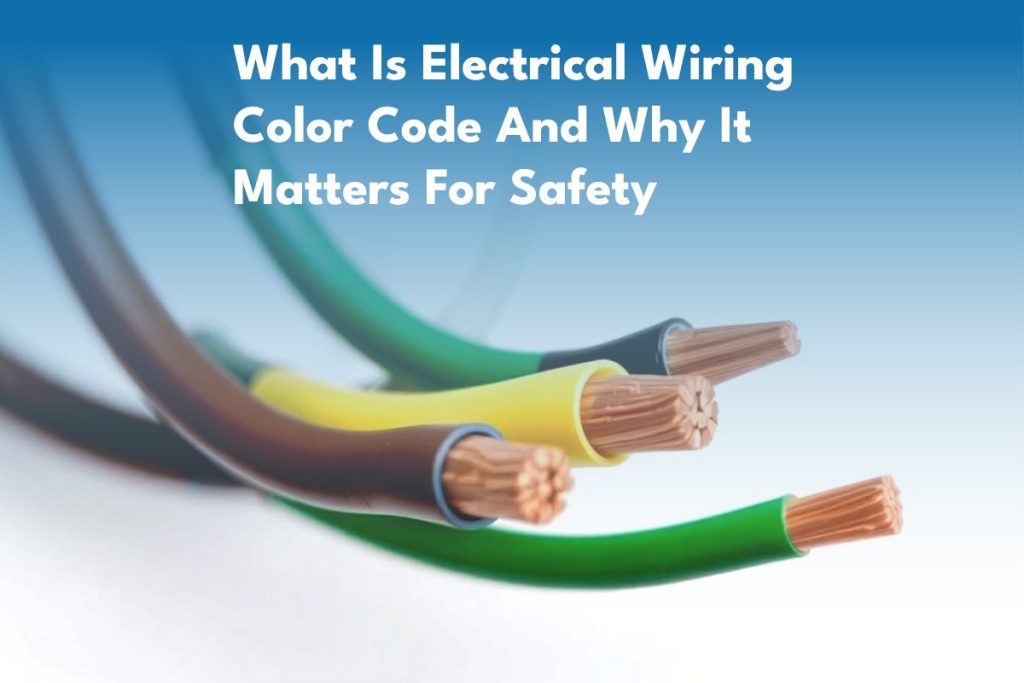
Do you know the dangers of bad electrical installations in your home or office? In Pakistan, electrical safety is a big worry. Knowing the wiring color code is key to avoiding hazards.
The wiring color code shows what each wire does in an electrical circuit. It’s important for safe setup, upkeep, and fixing of electrical systems.
In Pakistan, following wiring standards is crucial for electrical safety. Knowing the wiring color code helps lower the chance of electrical mishaps.
Proper electrical wiring color codes are key to avoiding electrical dangers. Knowing the right colors for each wire is vital. It helps electricians and technicians understand their roles.
Proper wire identification, especially when using electrical wiring with conduit, is very important for safety. Wrong identification can cause electrical shocks, fires, or even death. For example, mixing up live and neutral wires can lead to short circuits and dangers.
Many electrical accidents occur due to faulty wiring. In Pakistan, 70% of electrocution deaths happen inside homes. Using proper color coding and wiring standards significantly reduces these risks.
Color coding is crucial in preventing electrical dangers. It uses specific colors for live, neutral, and earth wires. This makes it easier to know what each wire does, lowering the chance of mistakes.
Experts say, “Color coding is a simple yet effective way to ensure electrical safety. It is a critical component of wiring safety guidelines and is essential for maintaining safe electrical practices.”
“The use of standardized color codes for electrical wiring is a fundamental aspect of electrical safety. It minimizes the risk of electrical hazards and ensures that electrical installations are safe and reliable.”
By following electrical wiring color codes, electricians and technicians can greatly lower the risk of electrical dangers. This makes the workplace safer and protects users from electrical risks.
Pakistan’s electrical system uses standardized wiring color codes for safety and efficiency. The country follows international standards to make electrical work safer and easier.
Pakistan mostly follows the International Electrotechnical Commission (IEC) standards for electrical wiring colors. These standards are also in line with the British Standard BS 7671. This makes electrical installations in Pakistan safe and easy for electricians to work with.
Using IEC and British standards has many advantages. These include:
Several groups watch over electrical standards in Pakistan. The National Electric Power Regulatory Authority (NEPRA) manages the electricity sector. The Pakistan Engineering Council (PEC) looks after engineering, including electrical work.
These groups work together to make sure electrical work meets national and international standards.
Pakistan has updated its electrical wiring color codes over time. Adopting IEC standards has made a big difference. It keeps Pakistan’s electrical system safe and efficient.
The changes in color coding have come from updates in regulations and the need for better safety. New color codes for live, neutral, and earth wires have made it easier to identify wires during electrical work.
Knowing the basics of electrical wiring color codes is key for safety. Standardized colors help identify wires in a circuit. This prevents electrical dangers.
In Pakistan, live wires are often brown or red. They carry electrical current. It’s important to spot live wires to avoid shock. The color of the live wire is a key part of wire color identification.
The neutral wire, which completes the circuit, is usually blue or black. Knowing the neutral wire color standards is crucial for safe wiring.
The earth or ground wire is colored green or green with a yellow stripe. This color is standard to ensure easy identification and safety.
Testing and verifying wire colors is essential. It ensures they meet wiring color code standards. Regular testing wire colors helps spot any risks and keeps electrical systems safe.
By following the basic electrical wiring color code guide, we can ensure safe and compliant installations. Understanding live, neutral, and earth wire colors is vital.
Different electrical systems, like single-phase and three-phase, need their own color codes. It’s key for electricians and safety inspectors to know these codes. This ensures safety and follows the rules.
In single-phase homes, the color codes are simple. The live wire is brown or red. The neutral wire is blue or black. The earth wire is green or green with a yellow stripe. These colors make it easy to spot the wires.
Electrical wiring 3 phase systems, commonly used in big buildings and factories, have more complex codes. Each phase has its color: L1 (red or brown), L2 (yellow or black), and L3 (blue or grey). The neutral wire is black or blue. The earth wire stays green or green with a yellow stripe.
| Phase | Color Code |
| L1 | Red or Brown |
| L2 | Yellow or Black |
| L3 | Blue or Grey |
| Neutral | Black or Blue |
| Earth | Green or Green with Yellow Stripe |
AC and DC wiring systems have their own color rules. AC uses the colors we’ve talked about. DC systems use red for positive and black for negative. Knowing these differences is important for working with both types.
By following these color codes, electricians and techs can keep electrical systems safe and working well. This lowers the chance of electrical shocks and other dangers.
Electrical wiring color code mistakes can lead to serious safety hazards if not addressed properly. In electrical installations, the correct identification of wires is crucial for safety and functionality.
Misidentifying wires can lead to electrical shocks, fires, and even fatalities. The consequences of such mistakes are severe and can be avoided by adhering to standard color coding practices.
Using non-standard colors for wiring can cause confusion among electricians and maintenance personnel. This can lead to incorrect connections and potentially hazardous situations.
There have been numerous incidents where violations of color code standards have resulted in electrical accidents. These incidents highlight the importance of strict adherence to established wiring color codes.
| Common Mistakes | Safety Hazards |
| Misidentification of live wires | Electrical shock |
| Incorrect neutral wire identification | Equipment malfunction |
| Non-standard earth/ground wire color | Increased risk of electrical fires |
Knowing and using the right wiring color codes is key in electrical work. This guide will show you how to follow electrical standards in Pakistan.
Electricians use tools like multimeters and color code charts to identify wires. Multimeters check voltage and continuity. Color code charts help quickly find out what each wire does.
When checking existing wiring, make sure it meets current standards. Verify that wire colors match the codes for live, neutral, and earth wires.
It’s important to mark and label wires correctly for easy identification. Using the right labels and markers helps avoid mistakes.
For complex electrical systems or when unsure, always consult certified electricians in Pakistan. They offer expert advice and ensure wiring is safe and follows regulations.
Proper electrical wiring color coding is key to keeping Pakistan safe. Following wiring color code standards and regulations helps avoid electrical dangers. It ensures the safety of all electrical setups.
Knowing and using the right color coding can greatly lower the chance of electrical mishaps. Pakistan’s rules stress the need to follow international standards, like those from the IEC.
Keeping electrical safety through color coding is a team effort. It needs electricians, regulatory bodies, and everyone else to work together. This way, we can make Pakistan’s electrical environment safer for all.
Electrical wiring safety colors are crucial for spotting live, neutral, and earth wires. Correctly identifying these wires is essential for safe electrical work and upkeep.
Partner with PowerLinkCo for reliable, standards-based electrical content and solutions that keep your projects safe and compliant.
Get in touch with us today and let’s elevate your electrical safety and knowledge together.
In Pakistan, the electrical wiring color code follows the IEC and British Standards. The live wire is brown or red. The neutral wire is blue or black. The earth wire is green or green with a yellow stripe.
To identify the wires, look at their colors. The live wire is brown or red. The neutral wire is blue or black. The earth wire is green or green with a yellow stripe. Always use a voltage tester to check the live wire.
Not following the color code can cause electrical shocks, short circuits, and fires. Misidentifying wires is dangerous. Not following standards can lead to legal and financial problems.
Yes, there are different color codes for single-phase and three-phase wiring. For single-phase, the live wire is brown or red, and the neutral is blue or black. For three-phase, the colors are brown, black, and gray for the phases. The neutral is blue or black, and the earth wire is green or green with a yellow stripe.
Following the color code is important. But, choose wires from reputable brands that meet Pakistani standards. Look for certifications from the Pakistan Engineering Council (PEC).
Check your wiring during major renovations or if you notice electrical issues. Regular checks by a certified electrician ensure safety and compliance.
If you find non-standard wiring colors, get a certified electrician to assess and correct it. They can rewire or re-mark the wires to follow the standard color code.
Yes, commercial and industrial settings have specific wiring color codes, especially for three-phase systems. The colors must comply with IEC and British Standards and be approved by regulatory bodies.
Homeowners can do some minor electrical tasks. But, major wiring work should be done by certified electricians. This ensures safety and compliance with standards.
Hiring a PEC-certified electrician ensures wiring work follows Pakistani standards. This reduces electrical hazards and ensures safety codes are met.
